
Priyanka play school
A Strong Foundation for Little Learners
A play school is the first step in a child’s educational journey. It is a place where young children, usually between the ages of 2 to 5 years, begin to explore the world around them in a safe, caring, and fun-filled environment. Unlike traditional schooling, play schools focus on learning through play, creativity, and interaction rather than formal teaching methods.
Early childhood is the most important stage of development. During these formative years, children develop essential skills such as communication, social interaction, emotional understanding, and basic cognitive abilities. A well-structured play school helps children build a strong foundation that prepares them for future academic success and personal growth.
Learning Through Play
One of the key features of a play school is learning through play. This method makes education enjoyable and effective. Children learn best when they are engaged in activities that interest them.
Activities such as storytelling, music, dance, art, and games help children develop various skills. For example, drawing and coloring improve fine motor skills, while singing and dancing enhance coordination and rhythm.
In addition, play-based learning encourages creativity and imagination. Children are free to explore their ideas and express themselves without fear. This builds confidence and a love for learning.
Furthermore, interactive activities improve problem-solving skills. Children learn how to think, analyze, and make decisions in a fun and natural way.
Role of Teachers in Play School
Teachers in a play school are not just educators; they are caregivers, mentors, and guides. Their role is to create a positive and encouraging learning environment.
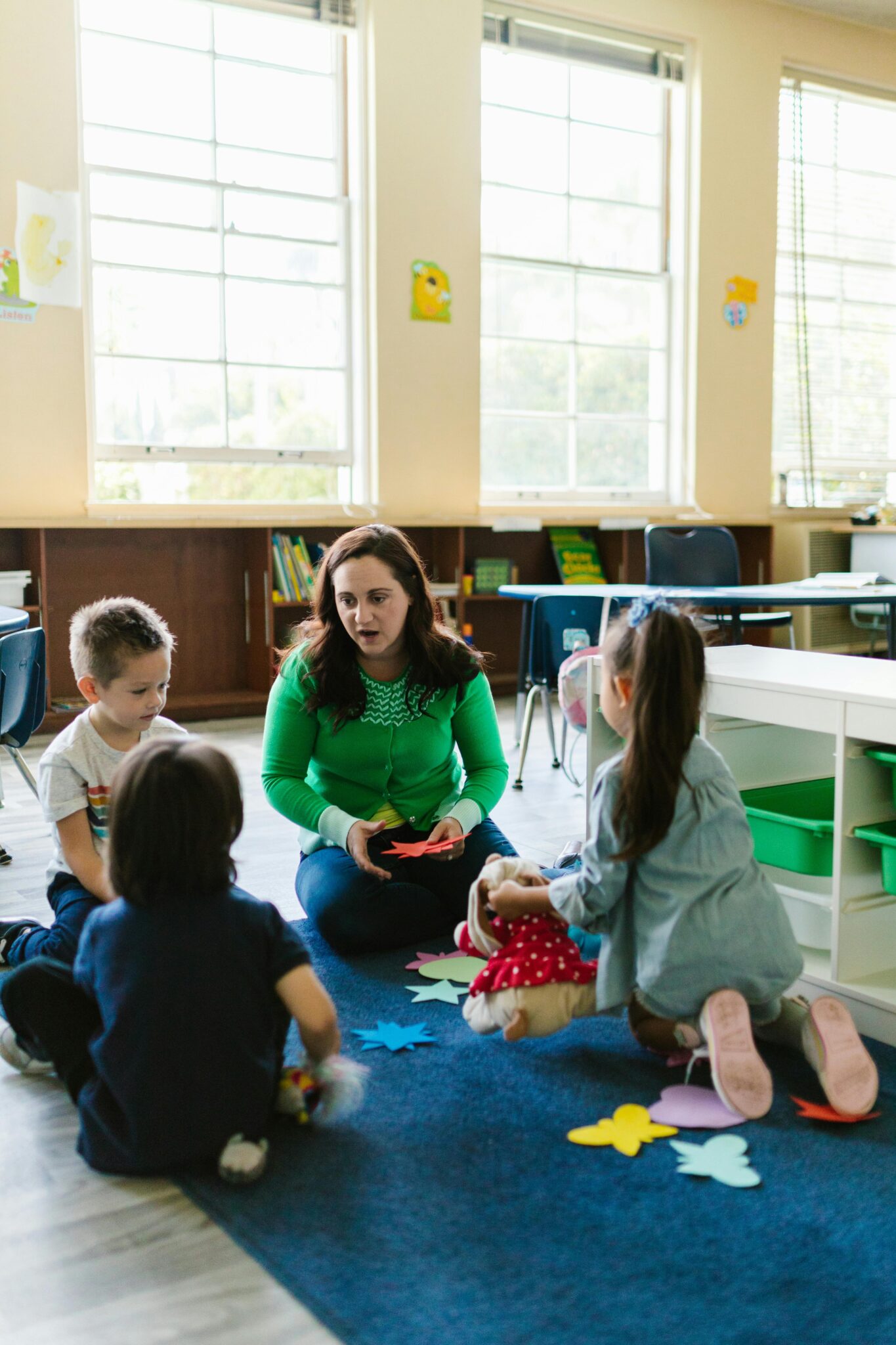
They observe each child’s behavior, interests, and learning style. Based on this, they plan activities that suit individual needs. This personalized approach ensures that every child receives proper attention.
Teachers also encourage children to participate in activities, express their thoughts, and develop confidence. They use simple language, gestures, and visual aids to make learning easy and enjoyable.
Moreover, teachers maintain regular communication with parents. They share updates about the child’s progress, behavior, and development. This helps parents stay involved in their child’s learning journey.
Activities in Play School
Play schools offer a variety of activities that support holistic development. These activities are designed to enhance physical, mental, and emotional growth.
1. Creative Activities
Drawing, painting, and craftwork help children express their creativity. These activities improve imagination and fine motor skills.
2. Music and Dance
Music and dance sessions are fun and energetic. They help children develop rhythm, coordination, and confidence.
3. Storytelling
Storytelling sessions improve listening skills, vocabulary, and imagination. Children learn moral values through stories.
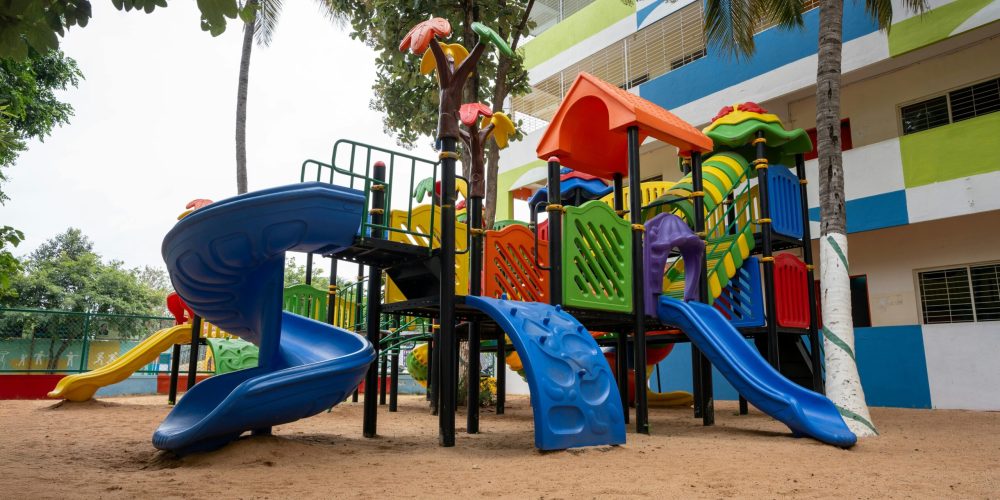
4. Outdoor Play
Outdoor activities such as running, jumping, and playing games improve physical health and teamwork.
5. Group Activities
Group games and activities teach children how to share, cooperate, and work as a team.
.